Advanced Models
·March 29, 2026
HTQL Architecture
The Real-Time Dashboard That Executes, Not Observes
Dashboards Built for Comfort
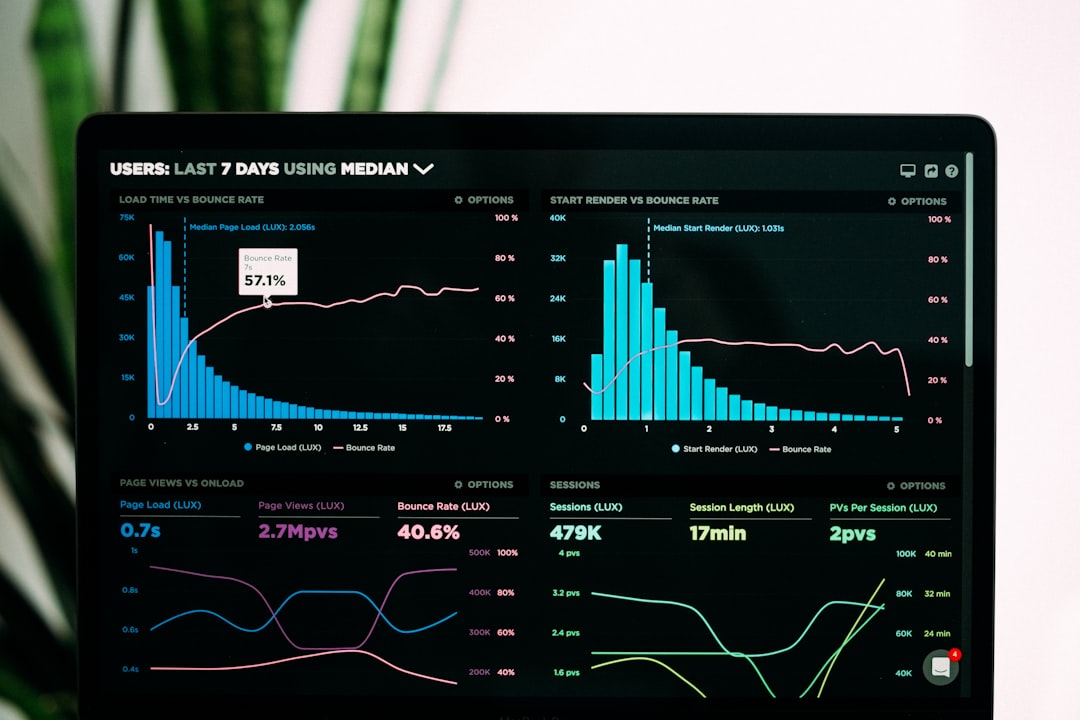
Most dashboards are built for comfort. They reassure you that something is happening. Numbers move. Charts update. Colours change.
But none of that creates control.
Because by the time you see the numbers, the decision has already been made. The discount has been applied. The margin has already dropped. The inventory imbalance has already occurred.
Traditional dashboards are post-event observers. They show you what happened — after it happened. They visualise consequences, not prevent them.
This is the uncomfortable truth most businesses avoid: your dashboards are expensive mirrors. They reflect reality. They do not shape it.
1
Revenue
Every revenue figure has already passed through a StateMachine transition. The transaction was evaluated. Financial rules were applied. Invariants were enforced. The state was approved. Only then does it appear.
2
Margin
Margin is not calculated after the fact. It is determined at the moment of transaction. If a transaction would violate margin thresholds, it never executes. It never enters the system. It never appears on your dashboard.
3
Risk Exposure
Risk is not reported. It is prevented. If a combination of discounts, loyalty rewards, or inventory movements creates unacceptable exposure, the system rejects the action before it can affect your numbers.
COMMAND
The dashboard becomes a command interface. A financial control panel. A real-time execution surface.
Instead of asking “What happened to our margins?” you now ask “Why would anything violate margin in the first place?”
TRUTH
If a transaction fails validation, it never executes. It never enters the system. There is no clean-up phase. No reconciliation cycle.
Nothing invalid is permitted. That is what control looks like.
You Are Looking at What Was Allowed to Happen
Each number on your HTQL dashboard represents a controlled outcome — not a historical artifact. You are no longer observing. You are governing.
This transforms how you operate. Decisions become proactive. Anomalies become impossible. And the question changes from “what went wrong?” to “why would anything go wrong?”
The answer is simple: it doesn’t. Because it cannot.
You Don’t Need Better Reporting. You Need Guaranteed Correctness.
Most systems show you what went wrong after the fact. HTQL guarantees correctness before execution. Every transaction validated. Every rule enforced. Every outcome deterministic. This is not analytics — this is control infrastructure.

Profit Guard Insights